Fast-Paced Rugby: A Blueprint for England’s World Cup Success
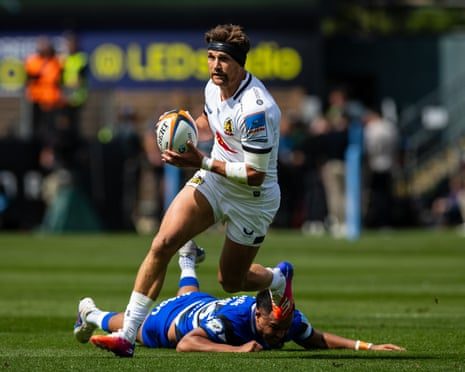
The recent English Premiership semi-finals showcased exhilarating rugby, highlighting the sport's potential. The match between Northampton and Leicester dazzled with speed and skillful passing, while the clash of Bath and Exeter featured an incredible comeback and nail-biting finish. This sets the stage for a thrilling Northampton v Exeter final on Saturday, promising intense matchups like Henry Pollock vs. Greg Fisilau and Tommy Freeman vs. Henry Slade. Coaches Phil Dowson, Sam Vesty, Rob Baxter, and Dave Walder are proving to be strong contenders for future leadership in English rugby. As the World Cup approaches, Steve Borthwick's England must harness the talent available. The performance of young players like Tom Pearson, Fraser Dingwall, and Archie McParland demonstrates that the English game can embrace flair akin to the French style. Critics argue that such an approach may falter against stronger defenses in international matches, yet the trend in rugby is shifting towards more dynamic play. Bath’s recent struggles reflect a need for adaptability, echoing Jamie George's insights on England's outdated tactics. The challenge lies in replicating the successful, free-flowing style witnessed in the club game when facing formidable opponents like the Springboks. Fin Smith emphasized that nerves should not stifle creativity; England must adopt a more adventurous mindset. To succeed, the team needs to embrace a modern approach, drawing inspiration from top clubs while also ensuring a strong forward pack with players like George Martin and Ben Earl. Ultimately, for Borthwick to lead England to World Cup glory, a proactive selection strategy is essential. The incorporation of a dynamic No. 9 will be crucial, pushing England to take calculated risks and evolve with the game.
Source: The Guardian Sport - 2026-06-16