ADHD in Elite Sports: A Double-Edged Sword for Athletes
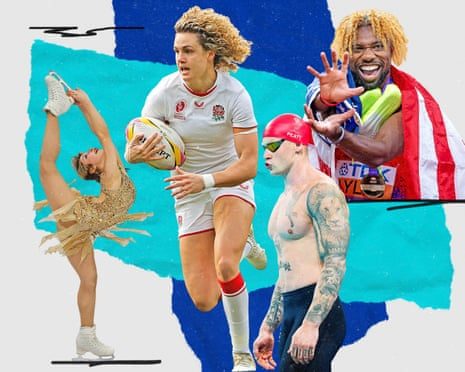
Kirsty Brown, a passionate golfer with ADHD, shares her struggles with the challenges of punctuality and preparation, stating, "If I could just transport myself straight to the first tee, that would be amazing." As a researcher at the University of Birmingham, she emphasizes the need for more research on neurodivergent athletes, acknowledging that while many athletes openly discuss their ADHD, its impact on performance remains largely unstudied. Adam Ramsay-Peaty, a three-time Olympic champion, recently showcased his incredible comeback by winning the 100m breaststroke with the second-best time in the world this year at the British Swimming Championships. He attributes his relentless drive to ADHD but also recognizes the self-destructive impulses it can bring. Similarly, Ellie Kildunne, the full-back for the Red Roses, reflects on her ADHD diagnosis after England's Six Nations victory over Ireland, discussing both the hyperfocus it provides and the eating disorder she developed during the pandemic. While some athletes, including Michael Phelps and Noah Lyles, label ADHD as a superpower due to the hyperfocus it can create, the reality is more complex. A 2019 study in the British Medical Journal indicated that ADHD may be overrepresented in elite sports, suggesting it plays a role in athletes achieving success. However, Dr. Kasia Kostyrka-Allchorne points out a paradox: while ADHD may enhance performance in elite sports, it can hinder participation at recreational levels. Benny Howell, a cricketer with ADHD, illustrates the challenges of fitting into traditional coaching structures and the rejection sensitivity associated with the condition. Brown, who transitioned from cricket to golf, admits that her fast-paced thinking can appear as a lack of concentration, leading her to adopt masking behaviors to fit in. Experts like Brown appreciate the visibility of athletes discussing ADHD but caution against framing it solely as a superpower, noting that it can invalidate the experiences of those still struggling. They advocate for creating safer sports environments to support neurodiverse athletes, acknowledging the link between neurodiversity and mental health challenges.
Source: The Guardian Sport - 2026-04-17