Protect College Sports Act Advances Amid Big Ten and SEC Opposition
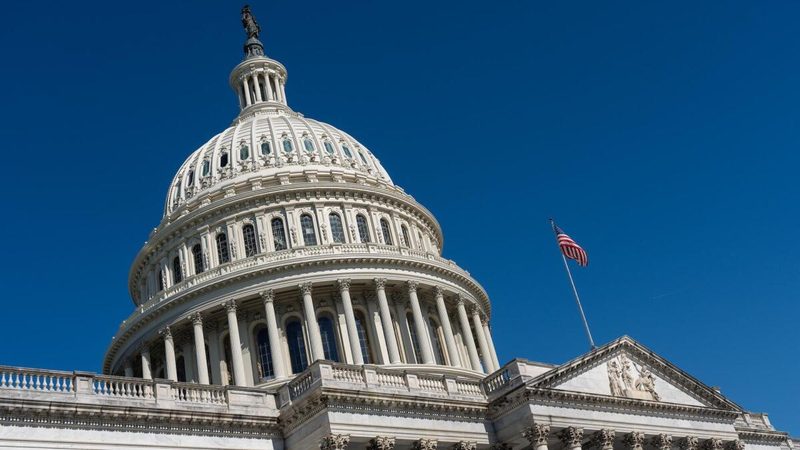
The Protect College Sports Act has made significant strides, clearing the Senate Commerce Committee with a vote of 19-9 on Thursday. This marks a historic moment as it is the first college sports reform bill to advance this far in the Senate, paving the way for a potential floor vote before the upcoming August recess. Committee Chairman Ted Cruz (R-Texas) and Ranking Member Maria Cantwell (D-Wash.) have been instrumental in pushing the legislation, with President Trump advocating for its passage this summer. Cruz expressed optimism that Senate Majority Leader John Thune intends to bring the bill to the Senate floor in July, ahead of the scheduled recess from Aug. 10 to Sept. 11. Key provisions of the bill include: Establishing a comprehensive federal framework for college athletics. Codifying NIL rights into law, replacing the current state-by-state regulations. Allowing athletes one transfer without losing eligibility and requiring a year of sitting out for a second transfer. Capping agent fees at 5% and providing athletes a private right of action regarding NIL rights, health standards, and scholarship protections. An amendment to the Sports Broadcasting Act of 1961 that could generate an additional $4 to $8 billion for college athletics through pooled media rights negotiation. However, the Big Ten and SEC conferences remain opposed, stating that their revisions for better supporting student-athletes have not been accepted. Their concerns focus on potential lawsuits stemming from the media-pooling provision and the broad private right of action. Despite these objections, more than 20 conferences, including the ACC and the Big 12, along with major sports organizations, have publicly supported the legislation. NCAA president Charlie Baker hailed the vote as a sign of growing bipartisan support aimed at stabilizing college sports. The bill's next challenge is to secure the 60 votes needed for passage in a Senate with 53 Republicans, emphasizing the necessity of bipartisan support.
Source: CBS Sports - 2026-06-18