Finding Strength in Weakness: The Key to World Cup Success
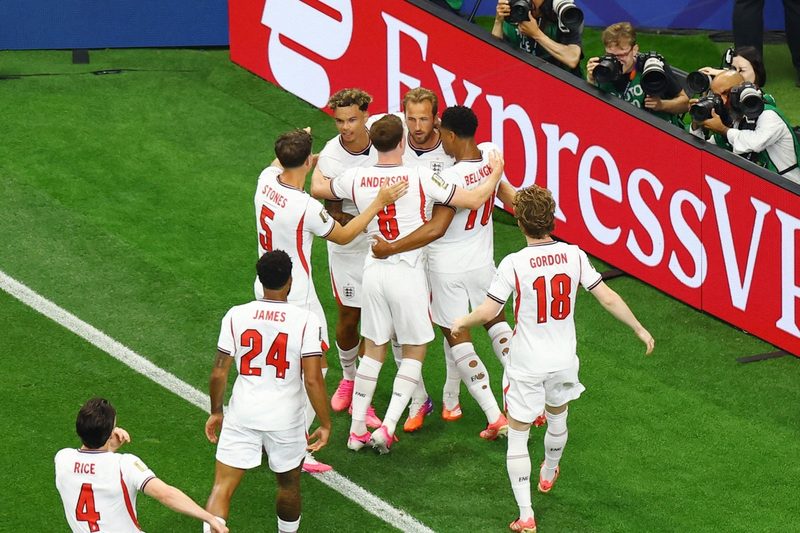
The World Cup often highlights the best players, but a compelling argument suggests that success hinges on the strongest weak link within a team. Instead of focusing solely on stars like Lionel Messi, Harry Kane, or Kylian Mbappe, attention should shift to the less celebrated players who could determine the tournament's outcome. In international football, the absence of a transfer market limits national teams to their existing talent pool, making the weakest player potentially more impactful than in elite club sides. The current landscape shows that all top contenders exhibit flaws: France faces midfield challenges, losing key players like Paul Pogba and Antoine Griezmann, while N’Golo Kante ages. Belgium struggles with a lack of world-class centre-backs, despite having an all-time great in Cristiano Ronaldo at centre-forward. England boasts a strong attack with Harry Kane, but defensive questions linger after conceding twice to Croatia. Brazil and Argentina share difficulties at full-back, with Argentina's Angel Di Maria now retired and Brazil questioning their midfield and striker depth. Germany attempts to shore up weaknesses by recalling Manuel Neuer, while the Netherlands faces a relative lack of quality in midfield and attack compared to their historical standards. Historical analysis shows that while individual brilliance can lead to victory, recent successes often come from teams adept at masking their imperfections. For instance, Germany adapted by repositioning Philipp Lahm, and France won with strikers who didn't score but effectively supported their offensive stars. The upcoming tournament may well depend on which teams effectively manage their weaknesses and capitalize on their strengths.
Source: The Independent Sport - 2026-06-19